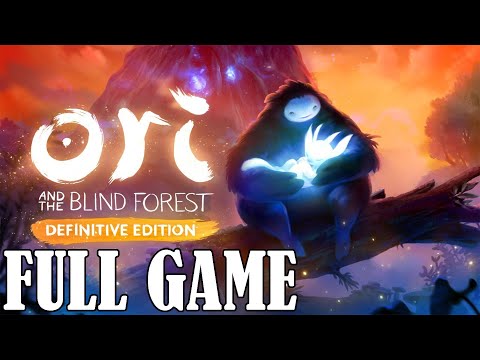
You guide a small glowing spirit through a forest that is slowly dying, jumping, climbing, and later gliding through increasingly tricky platforming sections. New movement abilities open up paths you could not reach before, in a familiar structure if you have played this kind of game before. The story leans emotional early on, which may be heavier than expected for what looks like a gentle platformer.
Gameplay video
More Ori and the Blind Forest gameplay on YouTube →Ready to play Ori and the Blind Forest?
Grab a physical or digital copy from Amazon — prices and availability update live.
This is an affiliate link. As an Amazon Associate we earn from qualifying purchases, at no extra cost to you.
Screenshots & review notes
The short version
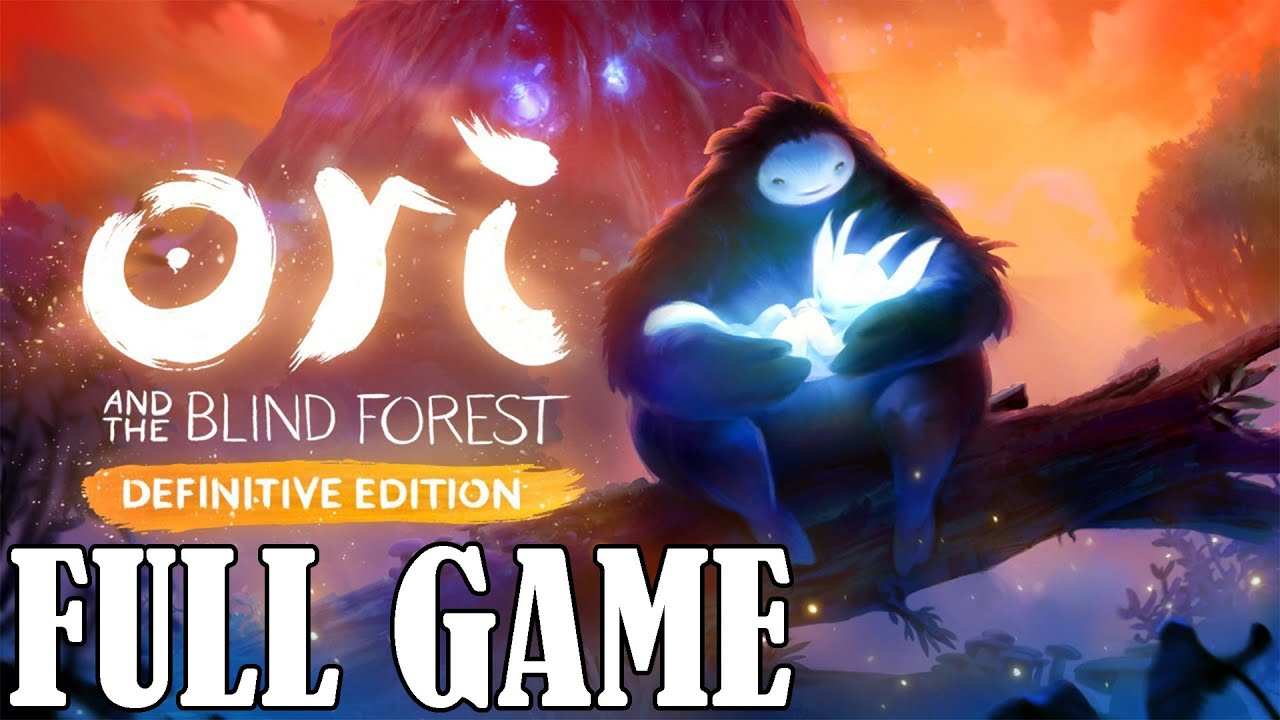
Moon Studios delivered a genre highlight that trades on raw emotion as much as mechanical polish, and that opening sequence still wrecks people years later. A genuinely gorgeous achievement.
In the hands
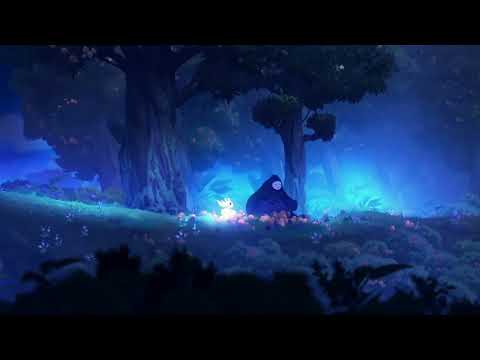
Platforming feels graceful once double jump and bash click into place, though a few late escape sequences push precision demands higher than the rest of the game prepares you for.
Look and sound
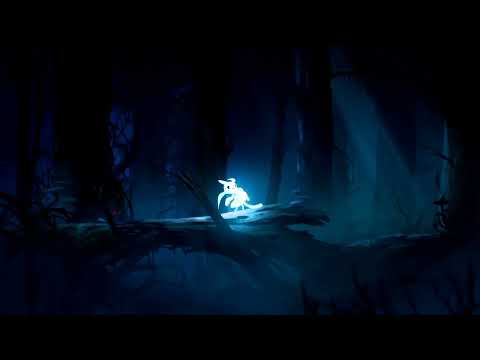
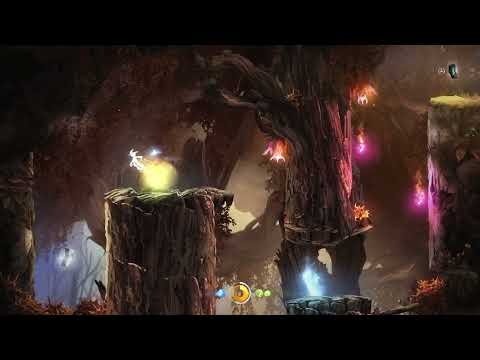
Every screen looks like a painting, with lighting effects that do a lot of emotional storytelling on their own, backed by a swelling orchestral score. It holds up well in handheld mode.
The long haul
It's a shorter journey than most metroidvanias, but the emotional gut-punch lingers. Strongly recommended, with a warning that the story hits harder than the marketing lets on.
Frames captured from the gameplay video above; notes are our own take on the game.
What it's like to play
You play Ori, a small white forest spirit, guided by a floating light creature named Sein through a hand-painted forest that opens with a quiet, sad sequence establishing why Ori is alone. You move with the left stick and jump with a button, and Sein automatically fires small bursts of light at nearby enemies, so combat mostly happens in the background while you focus on climbing, jumping, and later dashing between platforms. Early sections keep movement simple, but the game steadily hands you new abilities, like a bash move that lets you launch off enemies and projectiles in any direction, opening up much more acrobatic movement.
Most of your time goes into exploring a large connected map, finding hidden energy cells and ability upgrades tucked into corners you couldn't previously reach, then returning to earlier areas once a new ability lets you get further in. Saving your progress costs a bit of energy you collect from around the world, which adds a small layer of decision making to when and where you choose to save. A full playthrough runs around ten hours, and a handful of intense chase sequences, where the whole screen collapses behind you as you sprint and jump for your life, stand out as the toughest and most memorable parts.
Those chase sequences ask for tight, repeated platforming under real time pressure, and they can spike the difficulty sharply compared to the rest of the game. The story leans on familiar themes of loss and belonging rather than surprising twists, but it's told with real visual charm. If you enjoy fluid, satisfying jumping and dashing through a gorgeous hand-painted world, this is a short but memorable trip.