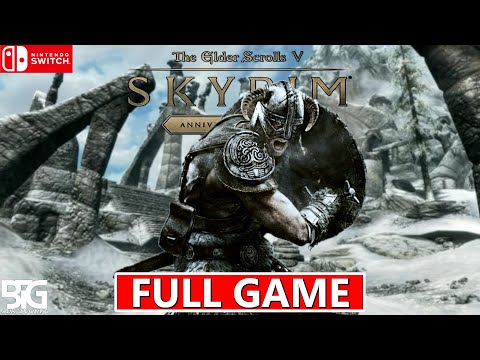
You are dropped into a huge fantasy region and can go anywhere immediately, whether that means fighting a dragon, joining a guild, or just wandering into a cave you noticed on a hill. Combat can be melee, magic, sneaking, or a mix of all three depending on how you build your character. There is very little hand-holding once the opening hours are over, so it rewards curiosity but can feel directionless if you want a clear goal.
Gameplay video
More Skyrim gameplay on YouTube →Ready to play Skyrim?
Grab a physical or digital copy from Amazon — prices and availability update live.
This is an affiliate link. As an Amazon Associate we earn from qualifying purchases, at no extra cost to you.
Screenshots & review notes

Why it lands
A decade on, its jank is more charming than damning, and the sheer freedom to ignore the plot for hours still feels rare in big-budget fantasy games. It earns its legend status honestly.

How it plays
The combat is stiff and the leveling system a bit of a mess, but exploration carries it, rewarding curiosity with dungeons, guilds, and quests tucked into every hillside. Bugs persist, mostly harmless.
Style and score
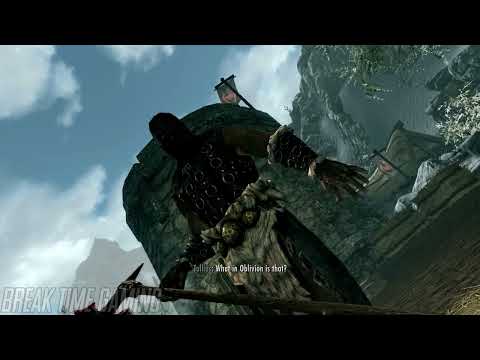
Tundra winds howl over Whiterun's walls while the score swells right on cue, and somehow it all still looks passable in handheld mode. It's dated, but the atmosphere never stopped working.
Who it's for
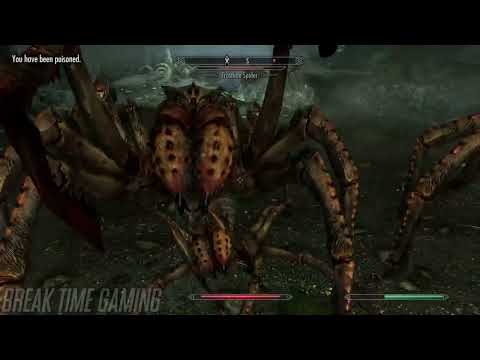
You could sink four hundred hours in without touching the same quest twice. It's the definition of a system-seller for anyone who wants one game to disappear into for a whole year.
Frames captured from the gameplay video above; notes are our own take on the game.
What it's like to play
You wake up as a prisoner being led to execution, then a dragon attacks and you escape into a snowy northern land called Skyrim, free to go absolutely anywhere from that point on. You move with the left stick, swing weapons or cast spells with the trigger buttons, and can peek over your shoulder or switch to a first person view depending on what feels natural to you. Within the first hour you can already ignore the story entirely and wander off toward a distant mountain, a cave full of bandits, or a small town, and the game never really stops you.
Most of your time here goes into whatever you decide it should: joining a guild of thieves or mages, hunting dragons and absorbing their souls to learn shouts, building a house, or just picking flowers and selling them to make money. The main story about dragons returning to the world can be finished in twenty or so hours, but it is almost beside the point, since side quests, random dungeons, and small towns full of their own little stories can easily add hundreds more hours on top. Nothing here is timed, so you can spend as long as you like just exploring before touching the plot again.
On Switch you can use motion controls to aim bows and spells by tilting the whole system, which some players enjoy and others turn off immediately. The game is old enough now that its faces and animations look a little stiff, and it is famous for small bugs and glitches that rarely ruin anything seriously. If the idea of an entire fantasy world with no set path through it appeals to you, this is still one of the best places to lose yourself for months.