
You fall into a world of monsters and can choose to fight, flee, or simply talk your way through most encounters instead of attacking. The game keeps track of how you treated others and changes later scenes and endings based on those choices. It is short compared to most RPGs, but doing a second playthrough with different choices reveals a surprising amount you would otherwise miss.
Gameplay video
More Undertale gameplay on YouTube →Ready to play Undertale?
Grab a physical or digital copy from Amazon — prices and availability update live.
This is an affiliate link. As an Amazon Associate we earn from qualifying purchases, at no extra cost to you.
Screenshots & review notes
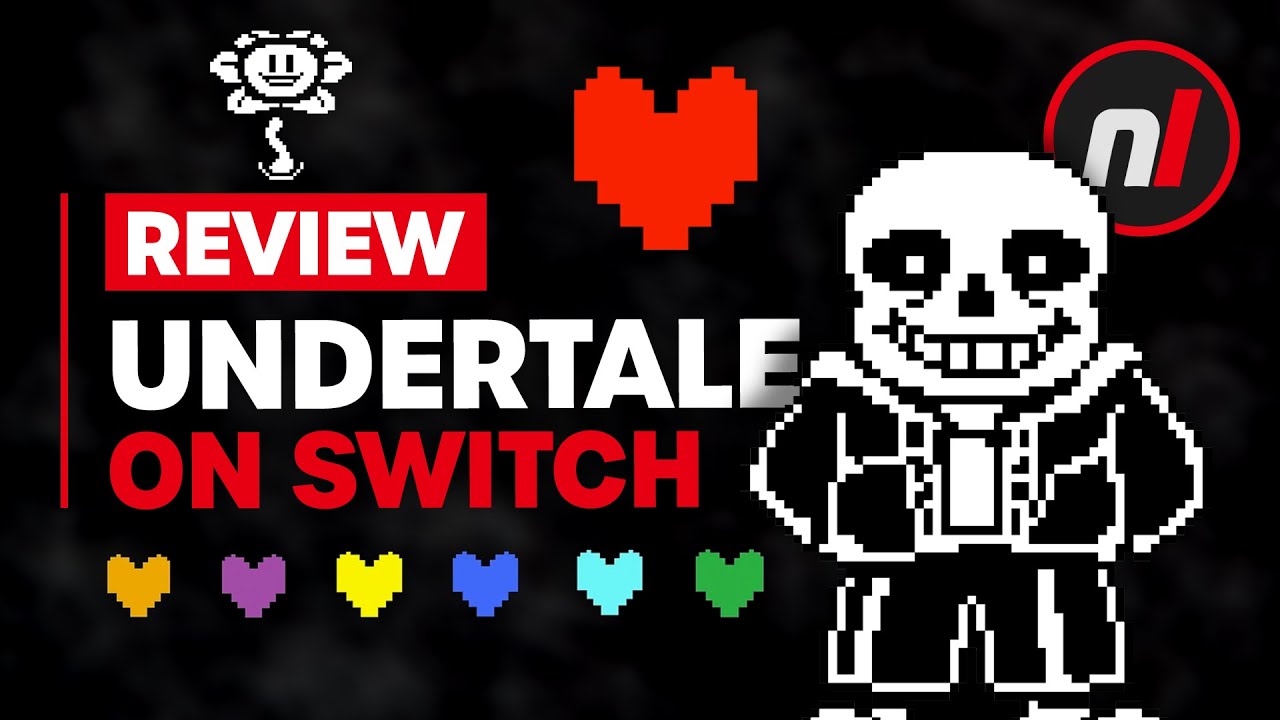
The short version
Toby Fox's tiny RPG has an outsized reputation for good reason, subverting genre conventions while telling a story with real emotional stakes. It's funny, sad, and strange in equal measure.

In the hands
The bullet-hell dodging during encounters is simple to grasp but tests real reflexes, and the choice to spare or fight enemies ripples through the whole experience in ways most games never attempt.

Look and sound
Its deliberately retro visuals hide a legendary soundtrack that's inspired more covers and remixes than nearly any indie game in memory. Nothing about it needs fancy hardware to land.

The long haul
Multiple playthroughs reveal wildly different endings depending on how cruel or kind you choose to be. A must-play for basically anyone who still thinks turn-based RPGs can't surprise them.
Frames captured from the gameplay video above; notes are our own take on the game.
What it's like to play
You play a child who has fallen into an underground world of monsters, and the game opens by making clear you have a real choice in every fight: attack monsters or try to spare them through options like talking, flirting, or joking around. Movement uses the stick to walk your small heart-shaped soul around a little box during battles, dodging incoming projectiles that come in all sorts of odd shapes, while a separate button brings up the option to fight or act instead. Very early on you meet a memorable goat-like guardian who teaches you the game's rules gently before letting you loose into its wider world of talking skeletons, fish warriors, and other unusual characters.
Most of your time goes into walking through town-like areas, talking to a large cast of characters, and getting into battles you can resolve through violence or through patience and understanding, with the game keeping track of what you choose the whole way through. A full playthrough runs somewhere around six to eight hours, and the ending you get depends heavily on whether you chose to spare or fight your way through the world, which pushes some players to replay it more than once to see a different outcome. The writing shifts constantly between silly jokes and genuinely touching moments, often within the same conversation.
The visuals are deliberately simple and blocky, which won't appeal to anyone expecting a more polished, modern looking game. Some of the dodging sections during tougher fights ask for quick reflexes that can catch newcomers off guard. If you're curious about a short RPG that treats your choices seriously and isn't afraid to be funny and sad in the same breath, this is well worth the handful of hours it takes.