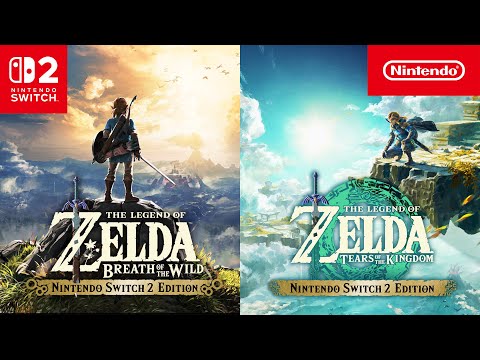
The same open fantasy countryside as the original, running smoother and sharper on the new hardware. You still wake with no memory, climb whatever you can see and cook meals over campfires, but the frame rate holds steady in busy areas. A companion phone app adds extra map notes, and it is the best version if you never played the first time.
Gameplay video
More The Legend of Zelda: Breath of the Wild Nintendo Switch 2 Edition gameplay on YouTube →Ready to play The Legend of Zelda: Breath of the Wild Nintendo Switch 2 Edition?
Grab a physical or digital copy from Amazon — prices and availability update live.
This is an affiliate link. As an Amazon Associate we earn from qualifying purchases, at no extra cost to you.
Screenshots & review notes

The verdict
This is the same beloved countryside adventure running noticeably smoother, and that alone makes it worth a look if you missed it before. If you already own the original there is not a lot of new content here.

The mechanics
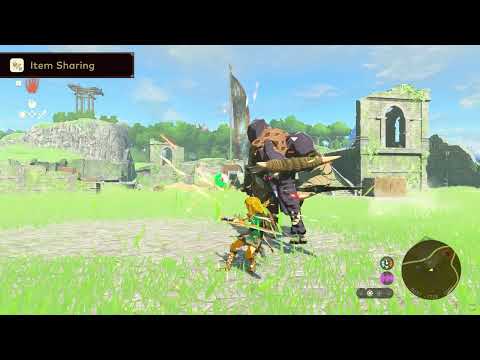
You wake with no memory, climb almost anything you can see and cook meals over a fire to heal up. The busier areas that used to slow down now hold a steadier frame rate.
Presentation
The open landscape still looks warm and painterly rather than realistic, and the score is quiet until something big happens. A companion phone app adds extra map notes if you want them.

Staying power
There is enough land and side content here to fill many long sessions. It suits someone who never played the original more than someone who has already finished it twice.
Frames captured from the gameplay video above; notes are our own take on the game.
What it's like to play
You wake up in a cave with no memory and no equipment, and the game hands you a paraglider and a slab that acts as your map before pushing you out onto a plateau overlooking an enormous green countryside. The left stick walks and runs, one button jumps, another swings whatever weapon you happen to be holding, and you climb almost any surface you can see by holding a button and pushing toward it, which means the world in front of you is less a hallway and more an invitation to go wherever looks interesting. Within ten minutes you can have lit a campfire, cooked a meal from berries you picked, and glided off a cliff toward a distant tower just because it caught your eye.
The actual goal, defeating a great evil holding a princess captive, sits far in the background, and what fills your time day to day is smaller, climbing a tower to reveal more map, cooking food before a fight, finding a small puzzle room and working out how its handful of tools solve it. Enemies and weather get tougher the further you wander from the starting area, weapons break after a fight or two forcing you to keep looting new ones, and cold or hot regions require you to dress or eat for the climate before they let you through. None of this is explained with much hand holding, so the sense of difficulty comes from a wide open world offering no clear next step rather than from any single fight being especially hard.
A session can be five minutes of poking at one puzzle room or three hours of wandering that started with one small errand and ended somewhere else entirely, and that openness is exactly what people love or find tiring about it. This version runs smoother than the original release, holding a steadier picture in busy areas like towns or big fights, and it is the version worth picking even if you never played it before. The one honest drawback is that weapons breaking constantly can feel like a chore, since a favorite sword might shatter mid battle and force you to switch to whatever stick or club you happened to be carrying.