
You explore a small island as Link, solving dungeon puzzles and fighting familiar enemies while collecting instruments needed to wake a sleeping whale-like being. The remade art style makes everything look like it is built out of toys and clay figures. It is a shorter, more contained adventure than most Zelda games, with a story that gets stranger and more bittersweet the further you get.
Gameplay video
More The Legend of Zelda: Link's Awakening gameplay on YouTube →Ready to play The Legend of Zelda: Link's Awakening?
Grab a physical or digital copy from Amazon — prices and availability update live.
This is an affiliate link. As an Amazon Associate we earn from qualifying purchases, at no extra cost to you.
Screenshots & review notes
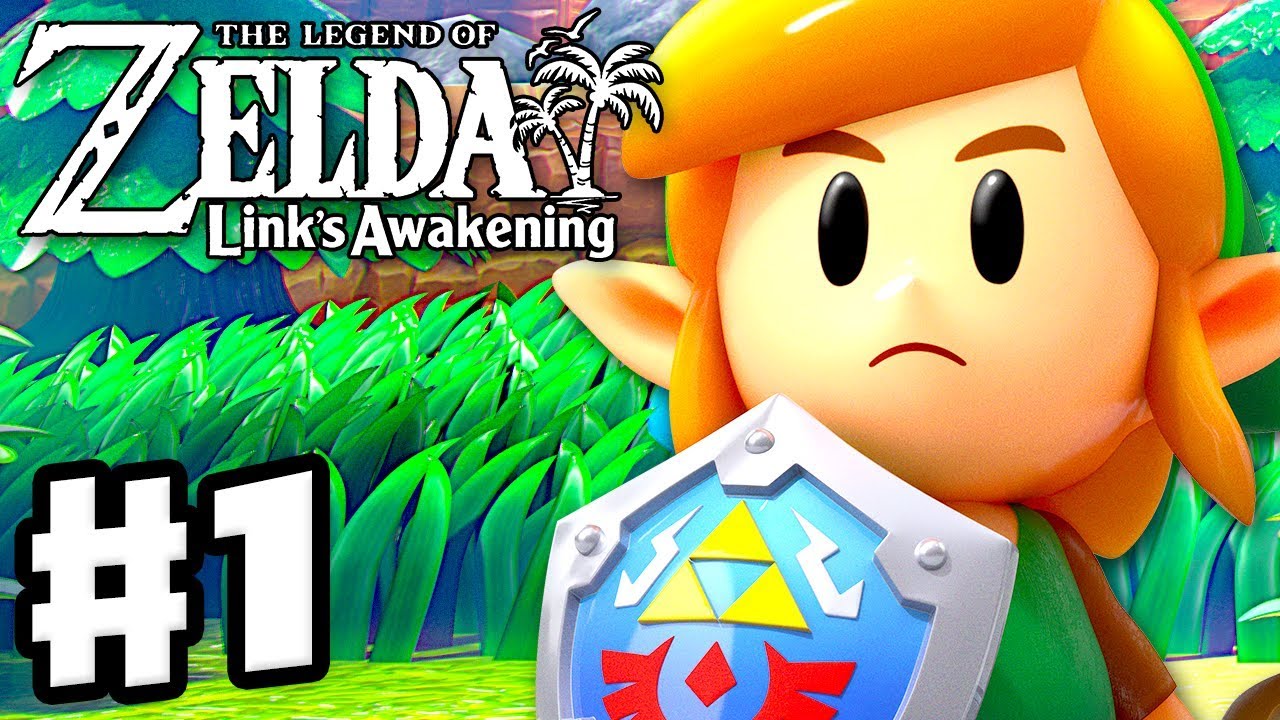
The short version
This remake takes a beloved Game Boy oddity and dresses it up so beautifully that it feels like rediscovering an old dream. The dungeon design remains some of the series' cleverest.

In the hands
Puzzle-box dungeons and a straightforward overworld make this an easier Zelda than most, but the toy-diorama art style adds fresh texture to familiar rooms and enemies.

Look and sound
The miniature, tilt-shift visuals turn Koholint Island into something you want to peer at from every angle, backed by a gently reorchestrated version of the original score.

The long haul
Its short length makes it perfect for players easing into Zelda or revisiting a classic without a huge time investment. The dungeon-maker mode is a fun but minor bonus.
Frames captured from the gameplay video above; notes are our own take on the game.
What it's like to play
You control Link, washed up on the shores of a small, dreamlike island called Koholint, presented here in a toylike style where everything looks like a tiny diorama with a soft blur around the edges, as though you are looking at a miniature model. Movement uses the stick, with separate buttons mapped to your sword, shield, and whichever item you have equipped, whether that is a bow, boomerang, or bombs picked up along the way. The very first thing you do is explore a small starting village and nearby beach, getting a feel for basic combat and simple environmental puzzles like pushing blocks and cutting grass. Every new item you find opens up a previously blocked path somewhere you have already been, which is a rhythm the whole game is built around.
Most of your time is spent working through a series of dungeons, each built around a specific item and full of clever puzzles that ask you to combine that item with your other tools to reach a boss at the end. Outside dungeons, you talk to the island's oddball cast, trade one item for another in a chain that eventually leads somewhere important, and gradually collect heart pieces to extend your health. A single dungeon typically takes thirty minutes to an hour depending on how quickly you spot its tricks, and the full adventure runs somewhere around fifteen to twenty hours for a thorough playthrough. A separate Chamber Dungeon mode lets you build small custom dungeons from rooms you have already cleared, which is a fun but optional extra.
Session to session, this feels like solving one clever little puzzle box after another, each with a satisfying click when you finally see the solution. What might frustrate you is an old, occasional stutter in some outdoor areas that patches never fully cleared up, along with a few old-school puzzles that expect you to experiment rather than being told exactly what to do. It suits anyone wanting a shorter, gentler introduction to Zelda's puzzle-dungeon formula, and its quietly sad ending lingers well after the credits roll.